

בקצרה: הנקודות החשובות
What is the Gut Microbiome?
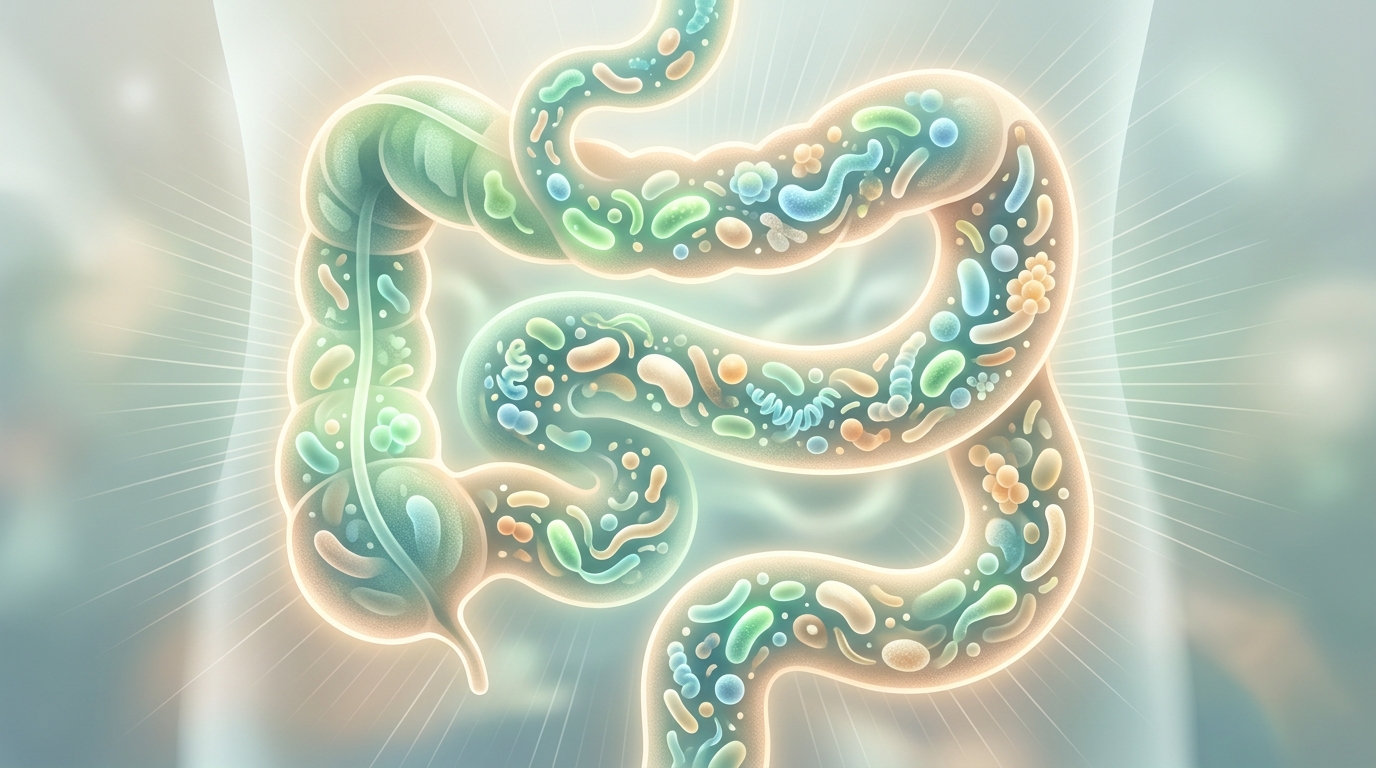
As we discussed in Part 1, every one of us is a “superorganism,” hosting 1 to 2 kilograms of beneficial bacteria in our digestive tract. This bustling community is known as the gut microbiome. These microbes are not passive passengers; they are active participants in our health, helping to digest food, producing essential vitamins, and influencing our nervous system, brain function, metabolism, and even how we store fat. The genetic material of these microbes outnumbers our own human genes by a factor of 100 to 1, highlighting their immense impact on our biology.
Your Unique Bacterial Fingerprint
The gut microbiome is composed of more than 1,000 different species of bacteria, and the specific combination is entirely unique to you. In fact, your microbial makeup is a more distinct identifier than your own fingerprint. This concept of bio-individuality is critical. According to Dr. Ben Lynch, an expert in epigenetics, understanding our unique biological needs is key. He explains that we can “use diet, supplements, environment, and lifestyle to shape your genetic destiny.” This applies directly to our microbiome. The foods we eat and the lifestyle we lead directly cultivate our unique inner garden, which in turn shapes our health.
The Link Between Gut Imbalance and Chronic Disease
The influence of our gut bacteria on our bodies is currently one of the most exciting fields in medical science. When the delicate balance between different bacterial species is disrupted – a condition known as dysbiosis – it can lead to a wide range of diseases, affecting not just the gut but the entire body. Restoring this balance is an essential component of treating these conditions.
We now know that dysbiosis is linked to or can cause many chronic health issues, including:
- Digestive Disorders: Crohn’s disease, ulcerative colitis, Irritable Bowel Syndrome (IBS), and acid reflux (GERD).
- Autoimmune Conditions: Multiple sclerosis (MS) and other autoimmune diseases where the body attacks its own tissues.
- Mental and Neurological Health: Depression, anxiety, and even autism spectrum disorders have been linked to the state of the gut microbiome.
- Metabolic Diseases: Type 2 diabetes, obesity, and difficulties with weight management.
- Allergies and Sensitivities: An imbalanced gut can contribute to the development of allergies and food sensitivities.
Understanding and nurturing your gut microbiome is not just about improving digestion; it’s a fundamental strategy for achieving long-term, vibrant health. For personalized guidance on restoring your gut health, it is always best to consult with a qualified practitioner.