

בקצרה: הנקודות החשובות
The Liver’s Critical Role in Detoxification
Your liver is one of the hardest-working organs in your body, acting as the primary filter for neutralizing the vast majority of toxins we encounter. This includes environmental chemicals, metabolic byproducts, and substances from our food and drink. A problem arises when the liver becomes overburdened. This can happen if it lacks the necessary nutrients to perform its duties, if the toxic load is too high, or due to other weakening factors.
Signs and Symptoms of an Overloaded Liver
When the liver is under stress, the body sends signals. One of the earliest and most common symptoms is persistent fatigue. In later stages, this stress may manifest as elevated liver enzymes on a blood test. However, we don’t have to wait for lab results to recognize an imbalance.
According to Traditional Chinese Medicine (TCM), the liver is associated with the “Wood” element, which governs flexibility and smooth flow. From this perspective, liver issues can manifest emotionally as anger, frustration, or feeling “stuck” and unable to start fresh. Physically, it can lead to stiff, sore, and inflexible muscles. Aggressive dreams can also be a sign of an imbalanced liver meridian.
Essential Nutrients for Liver Support
For the liver to function correctly, it requires a steady supply of specific nutrients. Many vitamins, minerals, and phytonutrients are essential for its detoxification pathways. Key supportive compounds include:
- Vitamin B3 (Niacin): Plays a role in energy metabolism within liver cells.
- Copper: An essential trace mineral involved in antioxidant defense.
- Coenzyme Q10: A powerful antioxidant that supports cellular energy production.
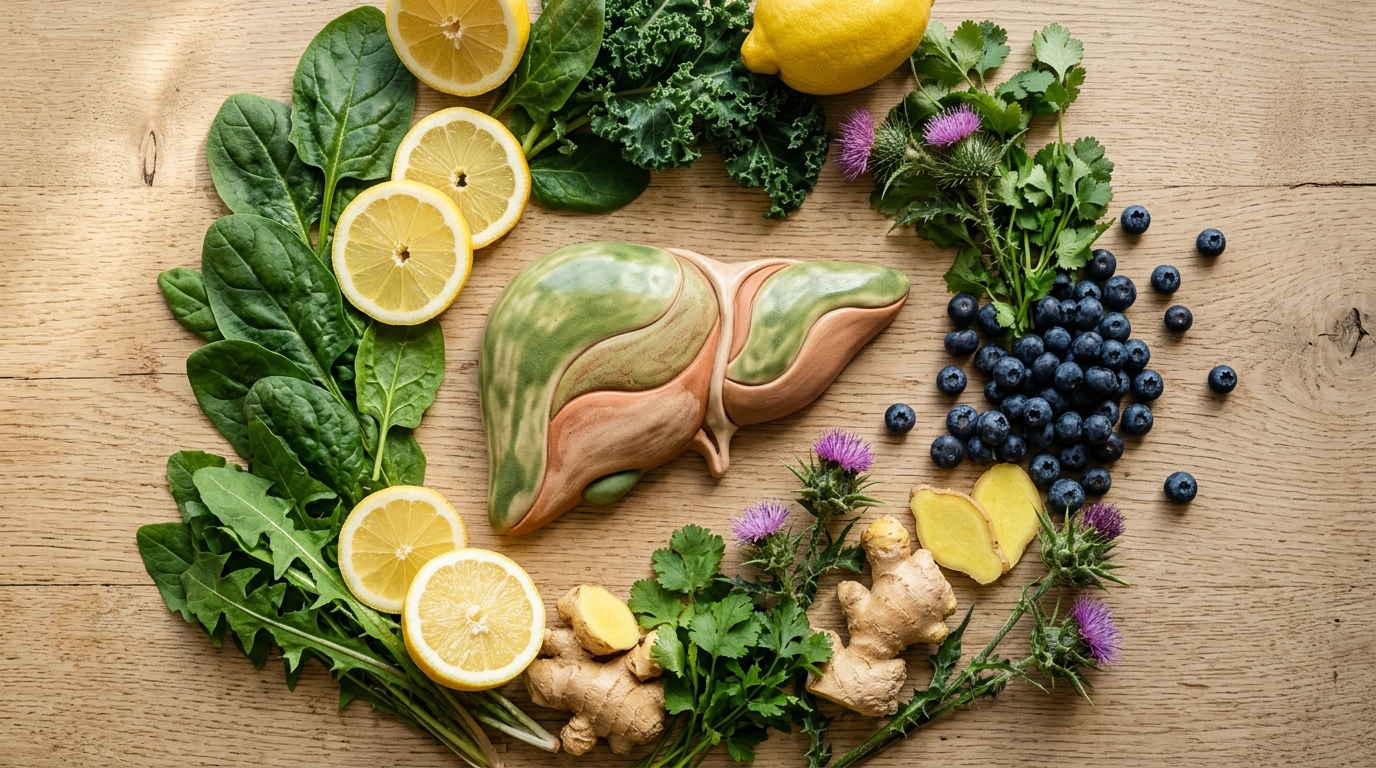
- Chlorophyll: The green pigment in plants that can help bind and eliminate toxins.
- Milk Thistle (Silybum marianum): A well-known herb celebrated for its liver-protective and regenerative properties.
Many other medicinal herbs can also strengthen and support liver function. A practitioner can help determine the right combination for your individual needs.
Personalizing Your Diet for Liver Health
Beyond specific supplements, the foundation of liver health is a diet that is right for your unique body. There is no one-size-fits-all approach. Our genes have specific requirements, and we can use diet and lifestyle to shape how our genes are expressed. Giving your genes what they need allows your body to function at its best and can be the key to overcoming chronic health issues.
Working with a practitioner to identify your body’s specific nutritional needs and food sensitivities is a critical step in reducing the burden on your liver and promoting long-term health.
Reducing Your Toxic Load
Finally, supporting your liver also means reducing its workload. Whenever possible, minimize your exposure to toxins. This includes choosing organic foods to avoid pesticides, using natural personal care and cleaning products, filtering your water, and limiting alcohol and processed foods. Every step you take to reduce your toxic burden gives your liver more capacity to perform its essential functions.