

בקצרה: הנקודות החשובות
The Critical Role of Fats in Cell Health
As we discussed in Part 1 of this series, every cell in your body is surrounded by a membrane made primarily of fat. This membrane is not just a passive wall; it’s an active, intelligent gatekeeper that controls nutrient absorption, waste removal, and communication with other cells. The quality of the fats you consume directly determines the health and functionality of these membranes. When built with high-quality fats, cell membranes are flexible and responsive. When built with poor-quality fats, they become rigid and dysfunctional, impairing cellular communication and contributing to the development of disease.
The Best Healthy Fats for Your Diet
To build strong and effective cell membranes, it’s crucial to incorporate a variety of healthy fats into your diet. Here are the best sources to focus on:
Animal-Based Fats
Fats from animal sources like meat, poultry, milk, butter, and ghee are excellent building blocks for your cells. The quality is highest when these products come from animals raised in proper conditions, preferably organic and pasture-raised, as their diet and well-being directly impact the quality of their fat.
Plant-Based Oils
High-quality, cold-pressed oils are another superb source of healthy fats. Extra virgin olive oil and high-quality coconut oil are excellent choices. Avocado oil is also popular, though from a traditional dietary perspective, it has not been used for as long as other fats like coconut oil, olive oil and animal fats, which have been part of the human diet for hundreds of thousands of years.
Nuts and Seeds
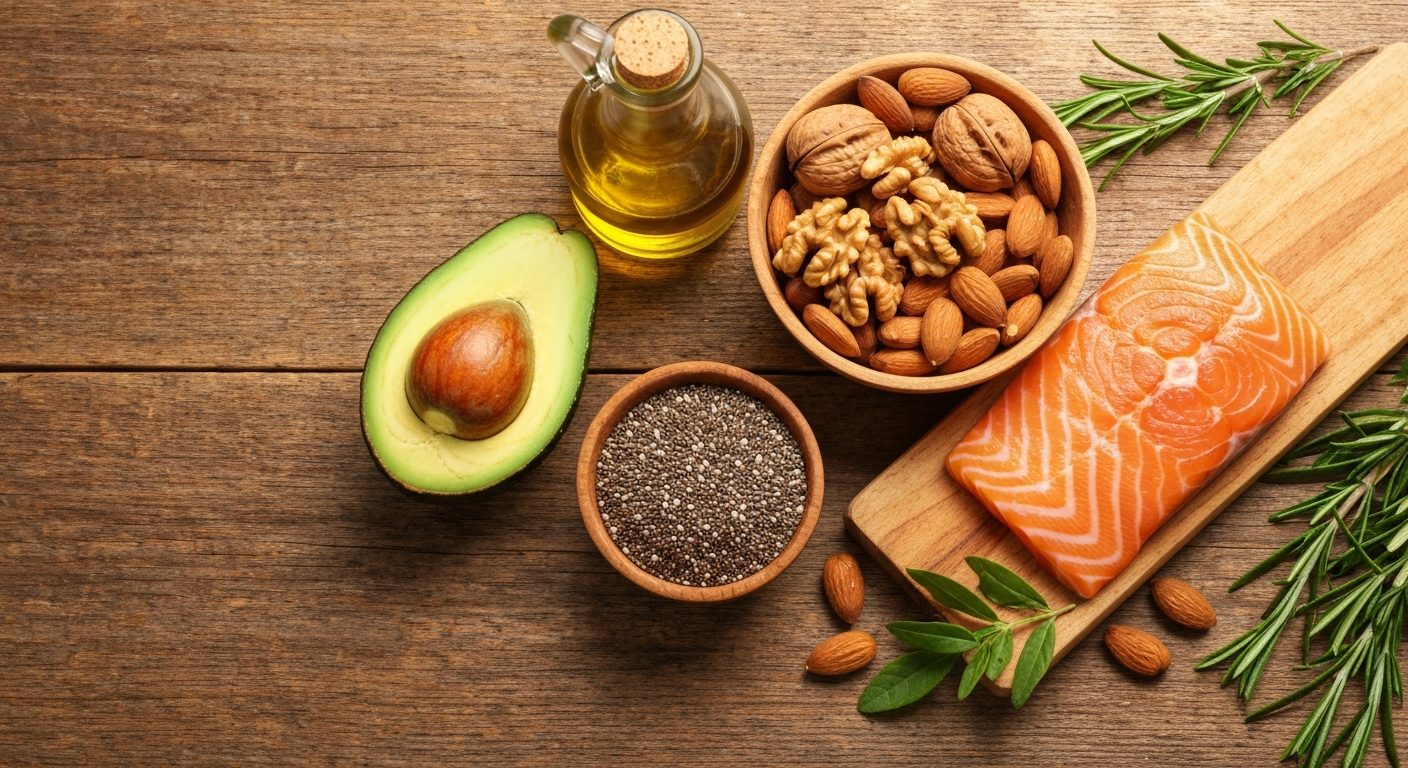
Raw, unroasted nuts and seeds are packed with beneficial fats. It is vital that they are fresh and not rancid, as the fats in stale nuts and seeds can become harmful. You can gently roast them yourself, but be careful not to overheat them, which can damage their nutritional value. Small amounts of high-quality, cold-pressed seed oils (like sunflower or safflower) can be used, but since they oxidize quickly, it’s best to consume them in moderation.
Omega-3 Fatty Acids
Omega-3s are a special class of fats essential for cell health. Excellent sources include flaxseed oil, chia seeds, hemp seeds, and fatty fish from deep, cold waters. As with all fats, freshness and a quality source are key to ensuring you get their full benefits.
Unhealthy Fats to Avoid
Just as important as including good fats is avoiding those that harm your cells. The following should be eliminated or minimized as much as possible:
- Trans Fats: These are industrially created fats found in many processed foods, crackers, chips, and products made with deep frying. They are highly damaging to cell membranes.
- Rancid Nuts and Seeds: The fats in nuts and seeds that have gone bad (smell or taste stale) have oxidized and become harmful.
- Industrially Processed Oils: Oils that are not cold-pressed, including most canola oils (and, in fact, all oils that are light yellow in color and have little to no distinctive smell and taste), have been processed with high heat and chemicals, which damages the fatty acids and makes them unsuitable for building healthy cells.
Choosing and Using Oils Wisely
When you purchase oils, always look for the term “cold-pressed.” This means the oil was extracted from the seed or fruit using mechanical pressure without high heat, preserving its nutritional integrity. By consciously choosing high-quality, unprocessed fats and avoiding harmful ones, you provide your body with the best possible materials to build a foundation of cellular health. For a diet tailored to your unique needs, consider consulting with a qualified health practitioner.